Zero-Waste Packing Checklist for Eco-Friendly Travelers
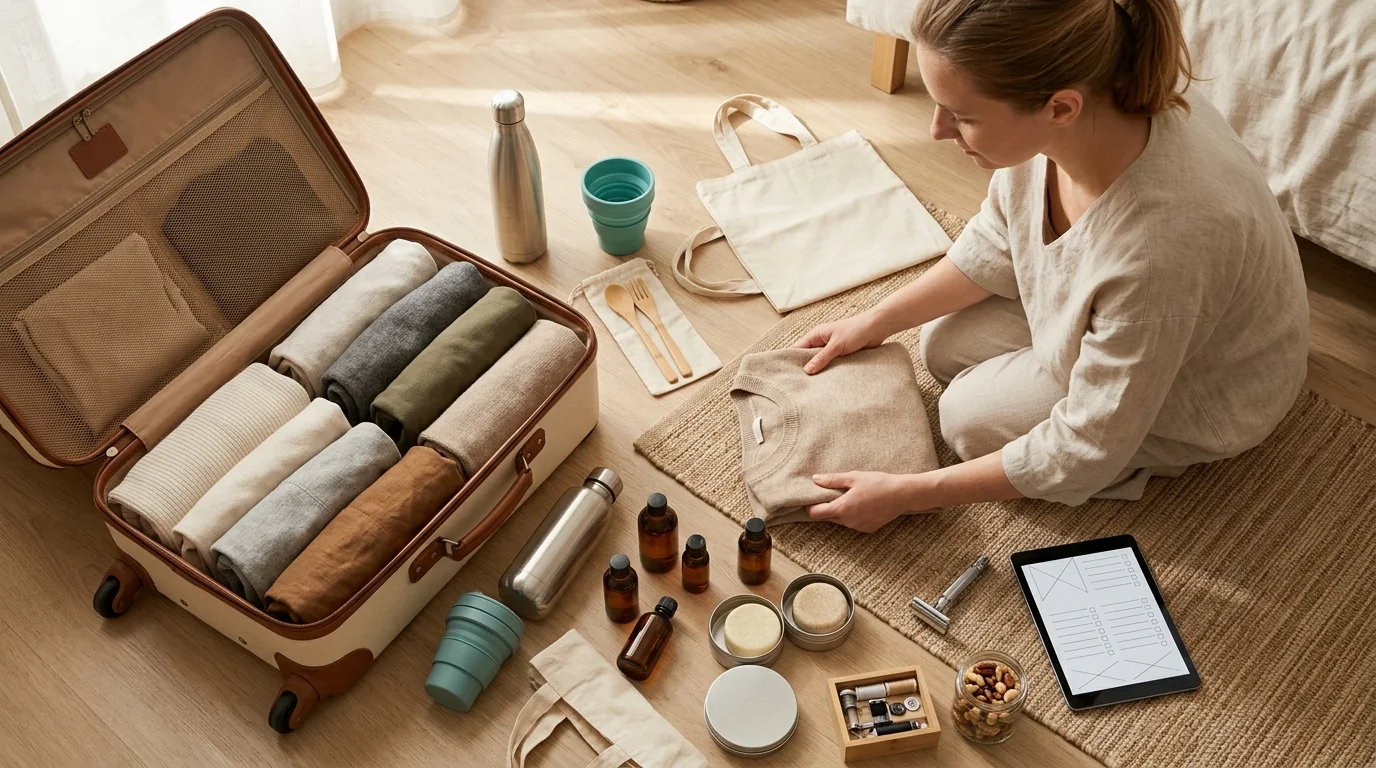
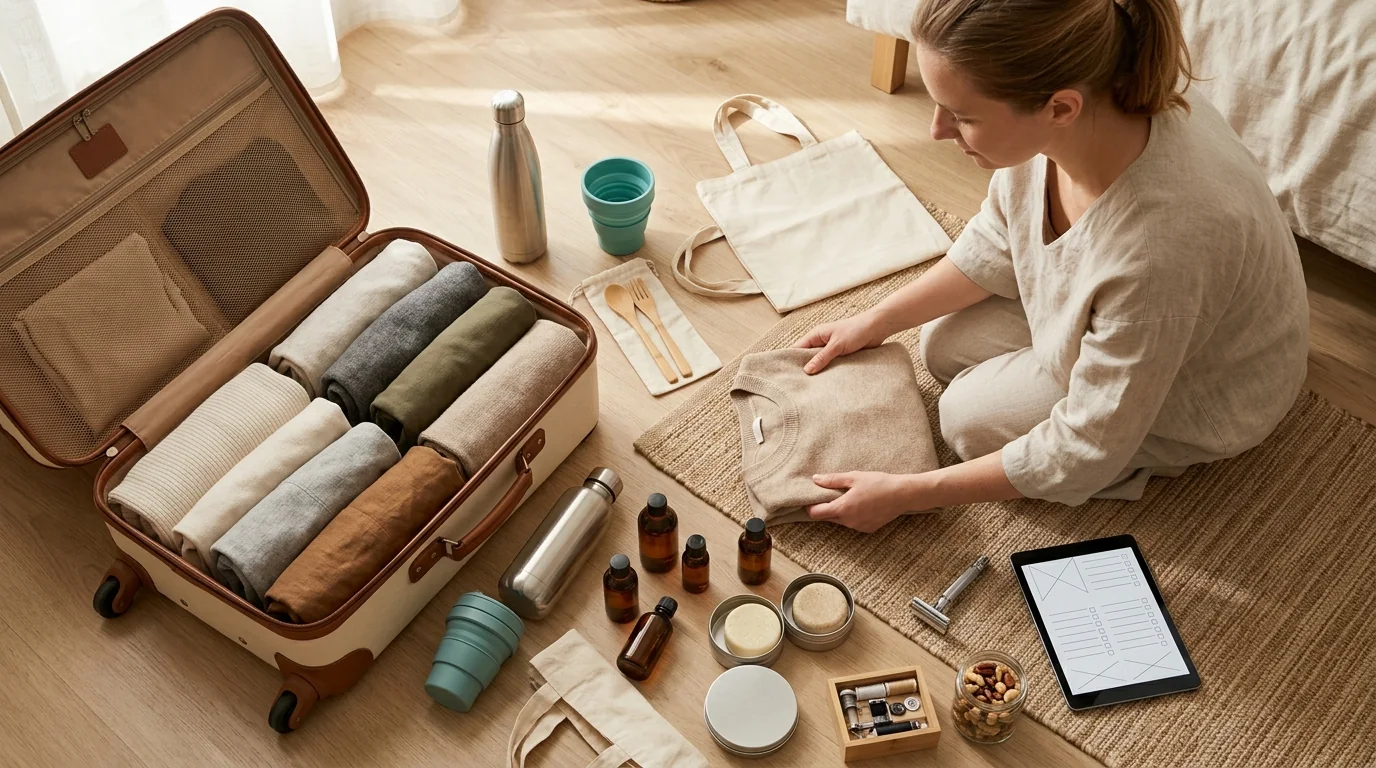
Eco-Friendly Traveler Checklist: A Practical Zero-Waste Packing Guide for Lighter, Greener Trips
Sustainable travel often comes down to small, repeatable choices: what gets packed, what gets refused, and what gets reused. A well-built checklist helps prevent last-minute purchases, reduces single-use waste, and keeps trips comfortable without overpacking. The guide below walks through a simple, low-stress approach to planning, packing, and traveling with a lighter footprint—plus a printable/digital checklist option for quick use before every departure.
What “eco-friendly travel” looks like in real life
- Prioritize reuse: bring a few durable essentials that replace many disposables (bottle, mug, cutlery, tote).
- Pack for prevention: avoid “oops” buys by planning toiletries, laundry, and charging needs ahead of time.
- Choose low-waste defaults: refillables, concentrates, bars, and multi-use items tend to cut packaging fast.
- Stay flexible: the most sustainable option is the one that fits the destination, climate, and itinerary without causing discomfort or safety issues.
For a helpful baseline, the U.S. EPA’s reduce-and-reuse guidance reinforces a simple theme: the best waste is the waste you never create.
Before you pack: quick planning that cuts waste
- Check what’s already owned: do a five-minute inventory of toiletries, adapters, and reusable containers before buying anything new.
- Align items to the trip style: a city weekend, a beach stay, and a hiking itinerary all have different “minimum viable kits.”
- Set a laundry plan: packing fewer clothes is easier when you already know whether sink washing or a laundromat is realistic.
- Confirm local rules: refill stations, recycling norms, and protected-area guidelines vary by destination.
If you’re also comparing routes or flight options, you can estimate impact using the ICAO Carbon Emissions Calculator. It won’t pack your bag for you, but it can help you make smarter transport choices when you have flexibility.
Zero-waste packing list essentials (the high-impact core)
These are the items that most reliably reduce daily “micro-waste” without making travel complicated. Think of them as your core kit—then add destination-specific gear only as needed.
- Refillables: water bottle, collapsible cup, leakproof food container, small jar for snacks.
- Reusables on the go: utensil set, straw (optional), cloth napkin/handkerchief, tote bag.
- Toiletry swaps: bar soap/shampoo, refillable deodorant, safety razor or durable razor handle, bamboo/replaceable-head toothbrush.
- Small repair kit: a few safety pins, travel sewing mini-kit, and a multipurpose balm to extend item life.
- Waste separation support: a lightweight reusable bag for sorting recyclables/compostables where facilities exist.
Core packing kit: replace disposables with reusables
| Disposable to avoid | Reusable alternative | Why it matters |
|---|---|---|
| Single-use water bottles | Refillable bottle | Cuts plastic waste and saves money over multiple refills |
| Paper cups & lids | Collapsible cup or travel mug | Reduces frequent small waste from cafés and stations |
| Plastic cutlery | Compact utensil set | Prevents daily single-use items during takeout meals |
| Plastic bags | Foldable tote + produce bags | Supports low-waste shopping and organization |
| Mini toiletry bottles | Refillable containers or solid bars | Avoids packaging and reduces spill risk |
Low-waste toiletries and personal care (carry-on friendly)
- Solid formats for simplicity: shampoo/conditioner bars, soap bars, and toothpaste tablets (where preferred) reduce liquid volume and packaging.
- Refillable containers: decant only what’s needed into clearly labeled, leakproof bottles to avoid overpacking and spills.
- Period care options: cup, reusable pads, or period underwear—choose based on comfort, access to washing, and trip length.
- Sun and bug protection: pack enough to avoid emergency buys, and consider reef-safer sunscreen where relevant.
- Keep it hygienic: a tiny castile soap bottle or compact soap sheets can cover handwashing and quick laundry in a pinch.
For a broader view of how tourism can reduce environmental pressure, the UN Environment Programme’s sustainable tourism resources highlight practical strategies that complement personal low-waste habits.
On-the-road habits that make the biggest difference
- Refuse first: skip hotel minis, daily plastic water bottles, and disposable cutlery when a reusable is available.
- Refill often: look for public fountains, refill apps, gym reception, cafés, and accommodation filters.
- Eat with less packaging: markets, bakeries, and dine-in meals tend to create less waste than individually wrapped snacks.
- Reduce housekeeping waste: decline daily towel/linen changes when appropriate (especially on short stays).
- Leave places better: follow local guidance for recycling, respect protected areas, and pack out litter on trails.
A simple rule that stays practical: make your reusables the default, and treat single-use items as “only if truly necessary.”
A checklist you can reuse for every trip
If you want a ready-to-go option designed for quick edits and repeat use, the Eco-Friendly Traveler Checklist digital download helps you run the same fast check before every departure.
Optional add-on for family trips
If you’re traveling with kids or planning low-cost downtime between outings, consider bringing a screen-free activity plan you can reuse. The Stronger Together: Family Bonding Pack is a digital set of printable activities and checklists that can help reduce impulse buys (and packaging-heavy “boredom fixes”) on the road.
Common packing pitfalls (and simple fixes)
FAQ
What are the top three items for a low-waste travel kit?
A refillable water bottle, a tote bag, and a compact utensil set cover the most common single-use items you’ll encounter while traveling. They’re easy to carry and reduce daily “small” waste fast.
How can toiletries stay eco-friendly and still meet carry-on rules?
Use solid options (like shampoo bars) and decant only what you need into leakproof refillable containers. Always check your airline’s liquid limits, then pack to that standard to avoid last-minute purchases.
Is a digital checklist better than a printed one?
Digital checklists are easy to reuse, duplicate, and customize for different trip types. Printed lists can be great for quick marking—choose the format that makes the habit effortless to repeat.











Leave a comment