Deep Sleep Music for Insomnia: Best Sounds to Try
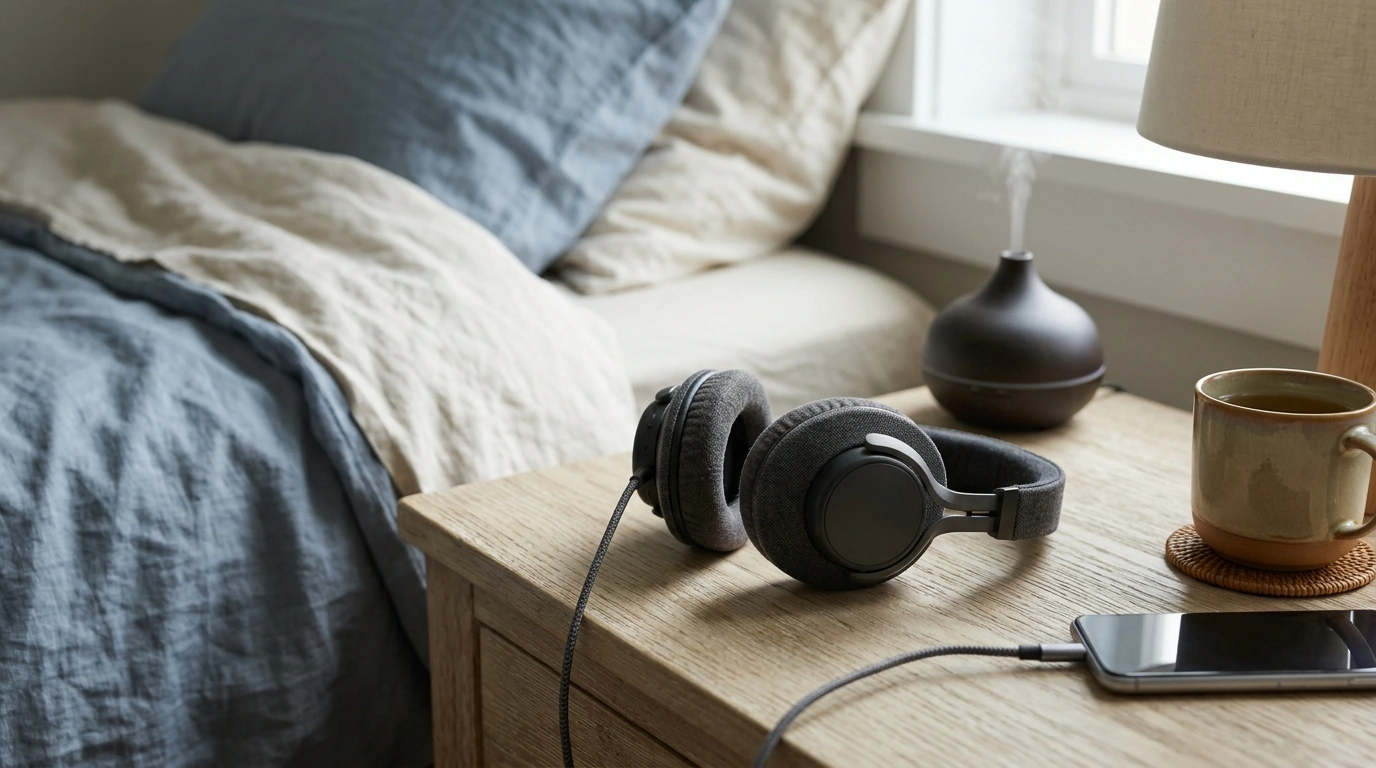
What is the best deep sleep music for insomnia?
The best deep sleep music for insomnia is the kind that lowers arousal and stays predictable—typically slow-tempo, low-frequency, lyric-free audio that doesn’t surprise the brain. For many people, that means ambient soundscapes, soft instrumental pieces (piano, strings, or pads), gentle nature audio, or steady noise like pink noise. The goal isn’t entertainment; it’s a calm, consistent sound bed that helps the body ease into drowsiness and reduces attention to racing thoughts.
What types of sleep music work best?
Start with music in the 60–80 BPM range (or similarly “slow-feeling”), with minimal rhythmic changes and no vocals. Lyrics can trigger mental processing and keep the mind active. Look for tracks labeled “deep sleep,” “ambient,” “delta sleep,” “calming drone,” or “sleep soundscape,” and choose versions that avoid abrupt transitions. If you’re sensitive to melody, a gentle continuous tone or pink noise may work better than a composed song.
How should you use deep sleep music if you have insomnia?
Set a low volume—just loud enough to mask small distractions—then start playback 15–30 minutes before bed as part of a consistent wind-down routine. Use a sleep timer (30–90 minutes is common) so the audio doesn’t wake you during lighter sleep cycles. If you wake during the night, restart a short, familiar track rather than browsing for something new, since decision-making can increase alertness.
What should you avoid?
Avoid anything with sudden crescendos, ads, track changes, or bright/high-pitched tones if those feel stimulating. Also skip playlists that shuffle between very different styles. Consistency matters: the more predictable the sound, the less likely it is to pull attention back to wakefulness.
For more recommendations and practical tips for choosing a sound that fits your sleep style, visit the main guide on deep sleep music for insomnia.
FAQ
Can white noise or pink noise help you stay asleep?
Yes. Many people find steady noise helps mask sudden environmental sounds, making nighttime wake-ups less likely. Pink noise is often perceived as softer than white noise because it reduces harsh high frequencies.












Leave a comment